
By Harry Pape
The evolution of LGBT representation in film and television is a story of resilience, progress, and ongoing struggle. Over the decades, the way queer individuals and relationships are portrayed on screen has reflected broader societal attitudes, marking milestones in visibility and acceptance, but also highlighting the persistent challenges of stereotyping and erasure.
In the early days of cinema, LGBT characters were often relegated to the shadows, appearing as coded figures whose identities were implied rather than explicit. The strictures of the Hays Code, implemented in Hollywood from the 1930s to the 1960s, prohibited overt depictions of homosexuality, forcing filmmakers to resort to subtext. Queer characters were often villainous or portrayed as tragic figures, perpetuating harmful stereotypes. Films like “Rebel Without a Cause” (1955) and “Ben-Hur” (1959) carried queer undertones that were detectable only to those attuned to them, leaving LGBT audiences with crumbs of representation.
One poignant example from this era is “The Children’s Hour” (1961), starring Audrey Hepburn and Shirley MacLaine. The film, based on Lillian Hellman’s play, explores the devastating consequences of a rumour suggesting that two female teachers are in a lesbian relationship. While the word “lesbian” is never explicitly mentioned, the implications are clear, and the film underscores the suffocating societal taboos of the time. The story’s tragic conclusion reflects the oppressive environment in which LGBT people lived, where even the suggestion of queerness could destroy lives.
The landscape began to shift in the 1960s and 1970s as societal movements for civil rights and sexual liberation gained momentum. This era saw the emergence of films like “The Boys in the Band” (1970), one of the first mainstream movies to center openly gay characters and their experiences. While groundbreaking, it was also emblematic of the period’s limited perspective, focusing on white, male, middle-class gay life and often reinforcing notions of internalised homophobia and despair.
The AIDS crisis of the 1980s brought LGBT lives into the spotlight in a way that was both illuminating and devastating. Films like “Longtime Companion” (1989) and “Philadelphia” (1993) humanised the epidemic for mainstream audiences, presenting queer characters with dignity and depth. However, these stories were often steeped in tragedy, reinforcing the trope of queer suffering. Despite this, the period marked a turning point where LGBT stories began to be told with more empathy and authenticity.
The 1990s and early 2000s heralded a more vibrant and varied depiction of queer lives on both the big and small screens. Television shows like “Will & Grace” and “Queer as Folk” brought LGBT characters into millions of living rooms, balancing humour and drama to explore themes of love, friendship, and self-acceptance. These series were instrumental in normalising queer identities for mainstream audiences, though they were not without their critiques, particularly regarding their focus on cisgender, white, gay men.
Films during this period also began to tackle queer themes with greater nuance. “Brokeback Mountain” (2005) broke new ground with its tender portrayal of a love affair between two men, challenging stereotypes and capturing the complexity of their relationship against the backdrop of societal repression. Independent cinema played a crucial role in amplifying diverse voices, with films like “Pariah” (2011) and “Weekend” (2011) exploring the intersections of race, gender, and sexuality with authenticity and care.
Some characters in television, however, began to step away from storylines centered exclusively on their sexuality, presenting LGBT individuals as multifaceted people with rich, varied lives. One iconic example is Captain Jack Harkness from the popular reboot of “Doctor Who.” Introduced in 2005, Captain Jack—a charming, pansexual adventurer—was portrayed by John Barrowman with wit and charisma. His identity was a part of who he was, but never the sole focus of his character arc. Jack’s relationships, both romantic and platonic, were woven seamlessly into the narrative, offering a vision of queer representation that emphasised inclusion without tokenism. This approach allowed audiences to see LGBT characters as fully realised individuals rather than as defined solely by their orientation.
Another example is the depiction of David Rose in “Schitt’s Creek.” The Emmy-winning series broke barriers by normalising pansexuality through David’s romantic journey, culminating in his marriage to Patrick Brewer. The show’s handling of David’s identity was refreshingly matter of fact, focusing on love, humour, and personal growth rather than emphasising the challenges often associated with coming out. Such portrayals help audiences connect with LGBT characters on a human level, highlighting universal experiences while also celebrating the unique aspects of queer identity.
In recent years, the breadth of LGBT representation has expanded significantly, encompassing a wider range of identities, experiences, and narratives. Shows like “Pose” have celebrated the resilience and creativity of the trans and queer communities of colour, while films like “Moonlight” (2016) and “Call Me by Your Name” (2017) have offered tender, nuanced portrayals of love and identity. Meanwhile, animated series such as “Steven Universe” and “She-Ra and the Princesses of Power” have broken ground in presenting queer themes to younger audiences, fostering inclusivity and understanding from an early age.
However, the progress achieved is not without its shortcomings. Transgender representation, for example, has only recently begun to move beyond caricatured or victimised portrayals, with shows like “Sex Education” and “Euphoria” leading the charge. Even now, many LGBT characters are written by creators outside the community, leading to questions about authenticity and representation. Moreover, the industry still grapples with systemic barriers that prevent many queer creators from telling their own stories on their own terms.
The journey of LGBT representation in film and television mirrors the broader fight for equality—marked by hard-won victories, painful setbacks, and a constant push for greater inclusion. As audiences demand more diverse and authentic storytelling, the hope is that the screen will increasingly become a mirror that reflects the true richness of human experience, celebrating all its colours, complexities, and contradictions.
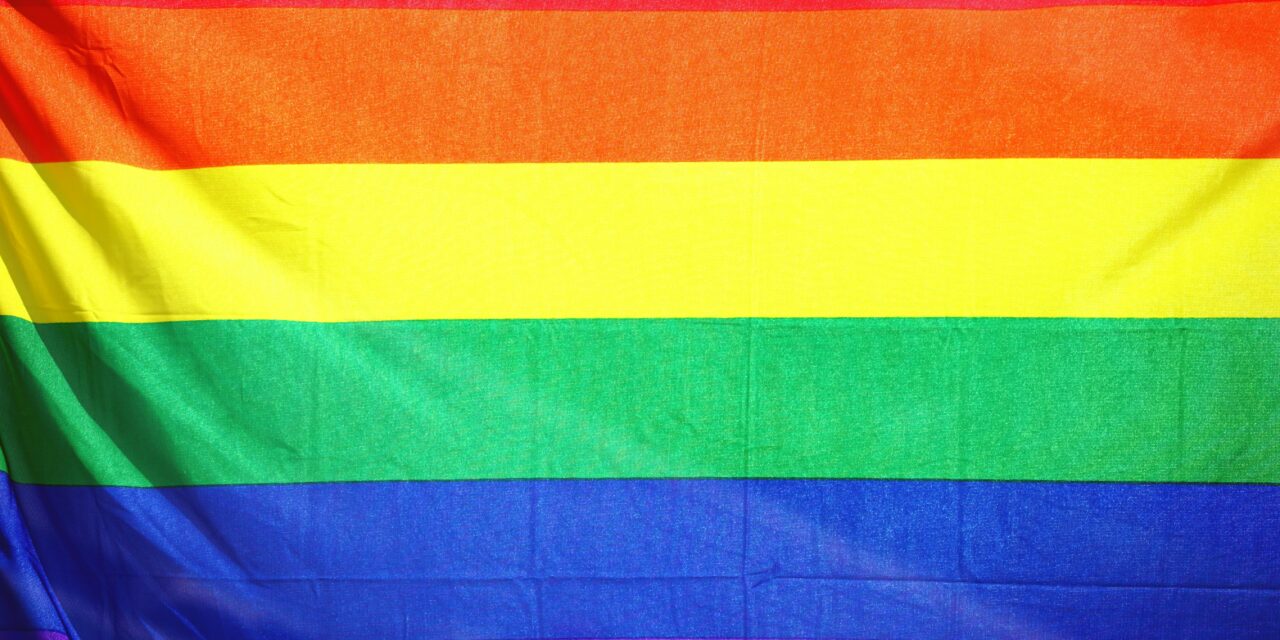
Photo by Alexander Grey from Pexels


